The counter has closed, but the cash in the drawer does not match the day's sales. That does not automatically mean money is missing. Some bills may have been paid through a configured non-cash method, one customer may have split the payment, and cash may have been removed during the day.
A useful day-close explains the difference between bills, payment records and money physically held. It gives the next shift a clear starting point rather than another puzzle.
Start with the drawer, not total sales
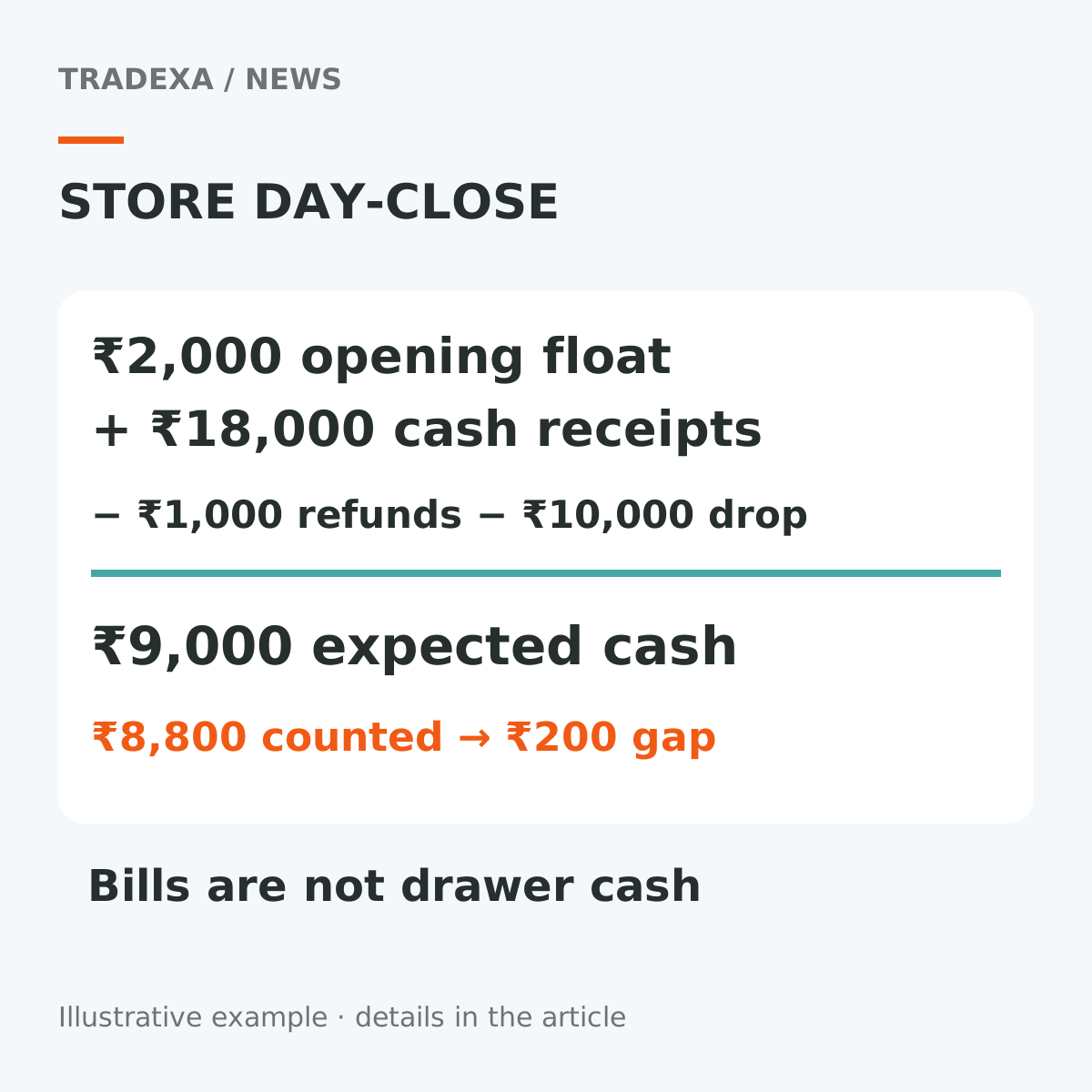
Count the cash and compare it with a cash-only calculation. For an illustrative day, the opening float is ₹2,000 and recorded cash receipts are ₹18,000. Documented cash refunds are ₹1,000 and a recorded cash drop is ₹10,000.
Expected closing cash is ₹9,000: ₹2,000 + ₹18,000 − ₹1,000 − ₹10,000. If the drawer contains ₹8,800, investigate the ₹200 difference.
This example assumes there are no other cash movements. Add authorised cash paid in or taken out where applicable. The opening float is not a sale, and the cash drop is not a missing receipt.
Check split payments without counting the bill twice
Suppose a ₹3,000 bill was paid with ₹1,000 cash and ₹2,000 through a configured non-cash tender. It contributes ₹1,000 to the cash calculation, not ₹3,000. The bill remains one ₹3,000 sale.
Check that the payment parts add up to the bill's payable amount. Then compare non-cash records with the relevant payment evidence. A recorded payment, a provider confirmation and money settled into the bank may occur at different times; do not silently treat all three as the same event.
Keep uncertain payments separate for follow-up. If a customer says they paid but confirmation is missing, changing the tender simply to make the drawer balance hides the problem.
Follow a difference back to its record
For the ₹200 cash difference, examine the related payment entries, refunds and cash movements. Look for an incorrect tender, an unrecorded movement or a counting error before assigning a cause.
Record the amount, explanation, evidence and person responsible for follow-up. A difference that is still unresolved should remain visible. Do not edit a genuine bill or invent a cash movement to force a zero.
Returns and refunds may require a separate administrative workflow. Make sure their records reach the close review even if they were not handled at the counter.
Make the next day's opening easier
Use a short handover: closing cash, cash retained as the next float, recorded cash drops, non-cash items awaiting confirmation and unresolved differences. Set a consistent responsibility for review.
If finding records takes 25 minutes per close and an organised handover reduces that search to ten, the illustrative difference is 15 minutes. Over 300 trading days, that is 75 staff-hours. Counting cash and checking exceptions still take time; this is capacity released, not an automatic payroll saving.
Tradexa's POS supports configured payment methods, split payments and day-close, alongside cash-drawer and thermal-printing capabilities. The exact setup matters. Test your own tenders and return workflow before adopting this checklist.
The benefit is a cleaner finish to the day: the team knows what was collected, what moved and what still needs an answer.