One store needs a product this week. Another store has the same product sitting on its shelf. Before placing a supplier order, it is worth checking whether moving that stock solves the shortage.
A transfer can avoid committing more buying cash and put existing goods where customers want them. It can also create a shortage at the sending store or arrive too late. The useful comparison is not “transfer good, purchase bad”. It is the cost, timing and demand on both sides.
How much stock can the other store actually spare?
Look beyond the quantity shown against the product. Confirm it is the same variant, in saleable condition, not reserved and available to move.
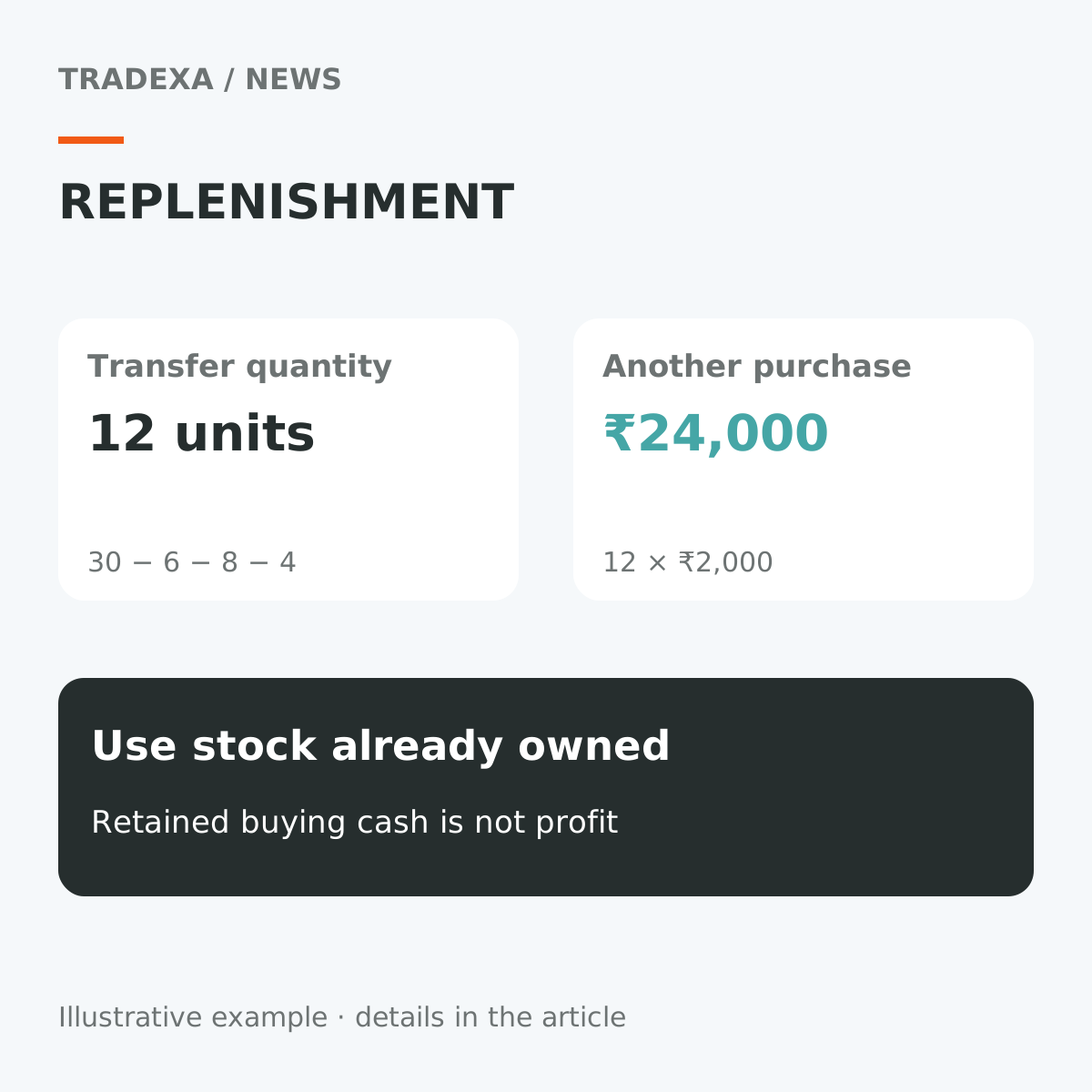
In an illustrative two-store example, the sending store holds 30 units. Six are reserved. Its expected sales before the next replenishment are eight units, and the team wants a four-unit cushion. That leaves 12 units it could transfer: 30 minus six, eight and four.
The receiving store needs 12. Moving 20 because the shelf looks full would solve one shortage by creating another.
Expected sales and cushions are planning choices, not guarantees. Check recent demand and known orders, then agree who can approve the quantity.
Is the transfer cheaper—and soon enough?
Assume the 12 units cost ₹2,000 each to purchase again. A fresh order would commit ₹24,000, excluding any additional purchase costs.
The transfer needs ₹600 transport and one combined staff-hour for picking, paperwork and receipt. At a chosen ₹300 hourly capacity value, its planning cost is ₹900. Compare that with the fresh purchase's freight and handling as well—not just its product price.
The existing goods already cost the business money. A transfer does not create ₹24,000 profit or make the products free. It can keep another ₹24,000 uncommitted while using stock you already own.
Timing can outweigh the cost difference. If transfer receipt is expected on Wednesday but the customer needs the product Tuesday, the team still needs another answer. A cheaper route that misses the delivery promise is not the better route.
What changes when this becomes a regular habit?
If the same economics apply to two suitable transfers a month, the illustrative transfer cost is ₹21,600 a year: ₹900 × 24. Do not multiply ₹24,000 by 24 and call the result annual savings. The value of stock moved is neither avoided annual expense nor a sustained reduction in average inventory.
The recurring opportunity is fewer unnecessary purchases and better use of the goods already held. To estimate financing benefits, separately measure whether average stock investment falls over time. Repeatedly moving the same excess stock is not growth.
Keep the receipt as clear as the dispatch
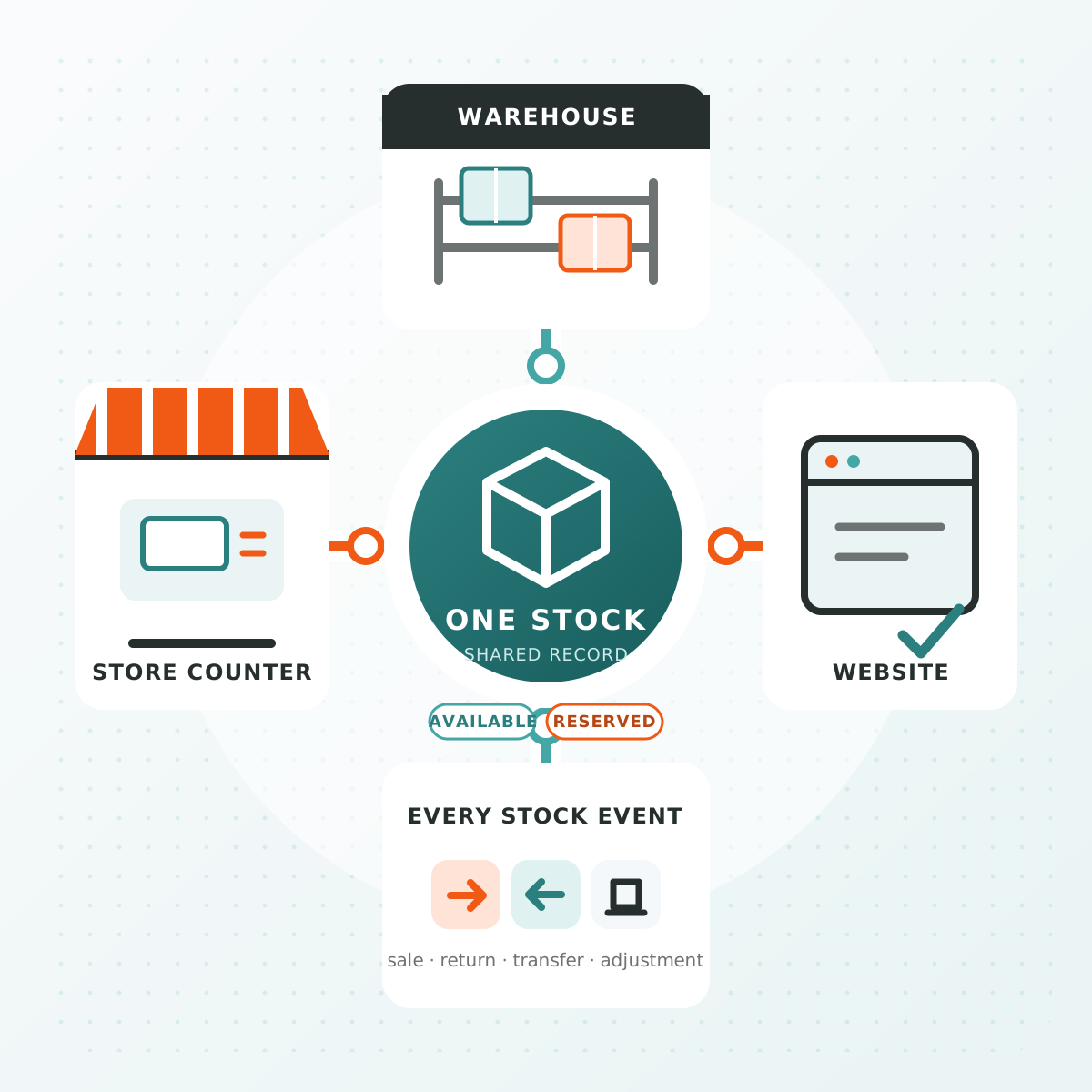
Agree the product, quantity, sending and receiving stores, dispatch date and receipt check. Keep an item in transit distinct from an item physically available at either counter. Investigate shortages or damage before treating the full quantity as ready to sell.
HyperInventory supports inter-branch stock movement and its documents within the configured company workflow. The team still chooses what to move and confirms receipt; a report cannot decide local demand by itself.
For a wider buying review, see how to find stock that is tying up cash before buying more. Start with one shortage where another store genuinely has stock to spare. The goal is a customer served without buying the same stock twice.