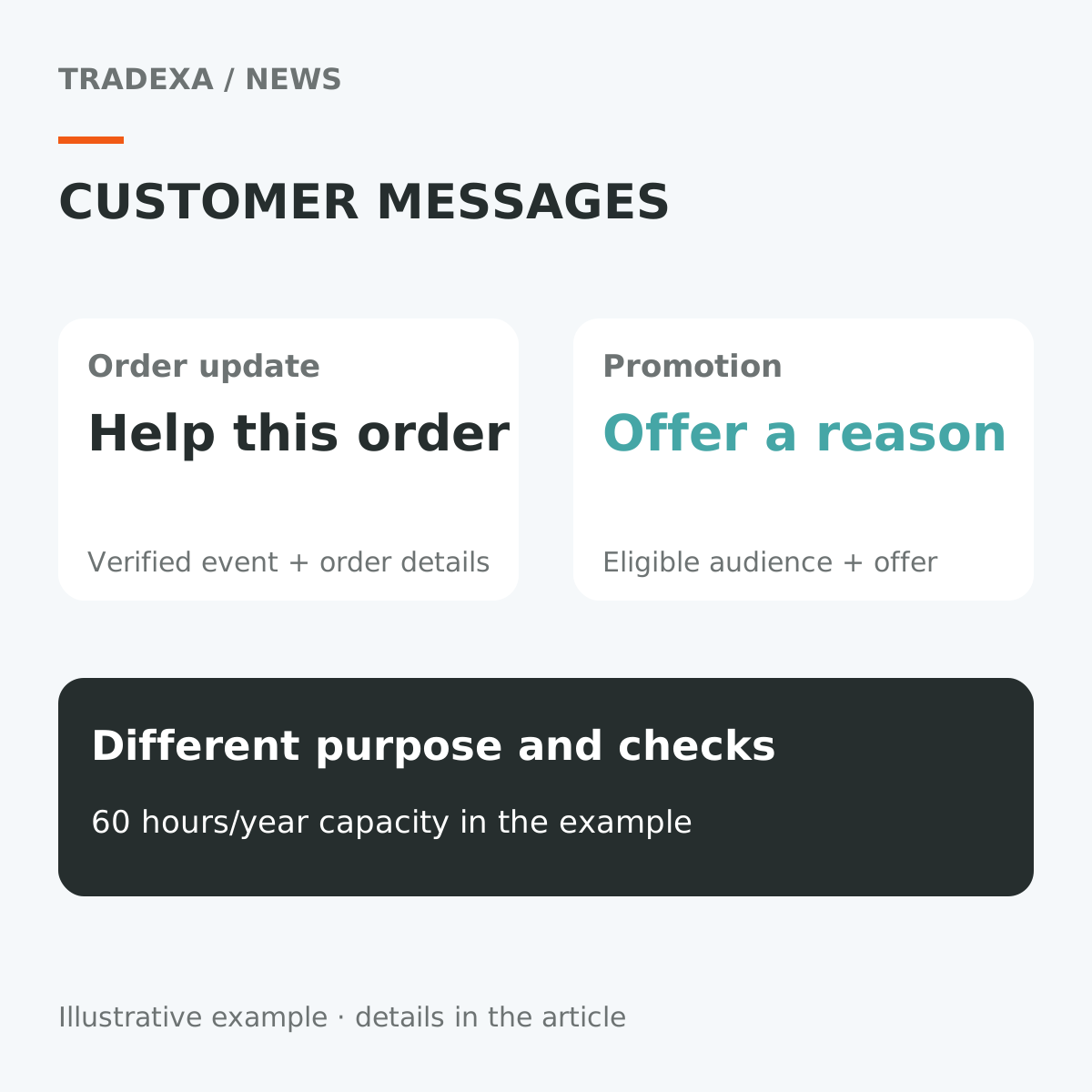
The salesperson says the order has a discount, the purchase team expects a supplier credit note, and a sponsored incentive applies to the sale. Can you put all three into one “scheme” amount?
You can—but it becomes much harder to understand what the business keeps and what money has actually arrived. Each changes a different part of the transaction.
What has the buyer actually paid?
A buyer discount reduces the realised selling amount. In an illustrative order, a product listed at ₹1,000 receives a ₹100 discount, leaving ₹900 net sales per unit.
Use that ₹900 when comparing the sale with its costs. Starting with ₹1,000 and forgetting the discount makes the order look stronger than it is.
The example excludes tax and assumes the discount is valid for the transaction. Tax treatment and accounting entries require the finance team's review; this article does not prescribe them.
What is the supplier scheme worth—and when?
Assume the product's purchase cost is ₹650. A supplier scheme may provide ₹40 per eligible unit through a later credit note.
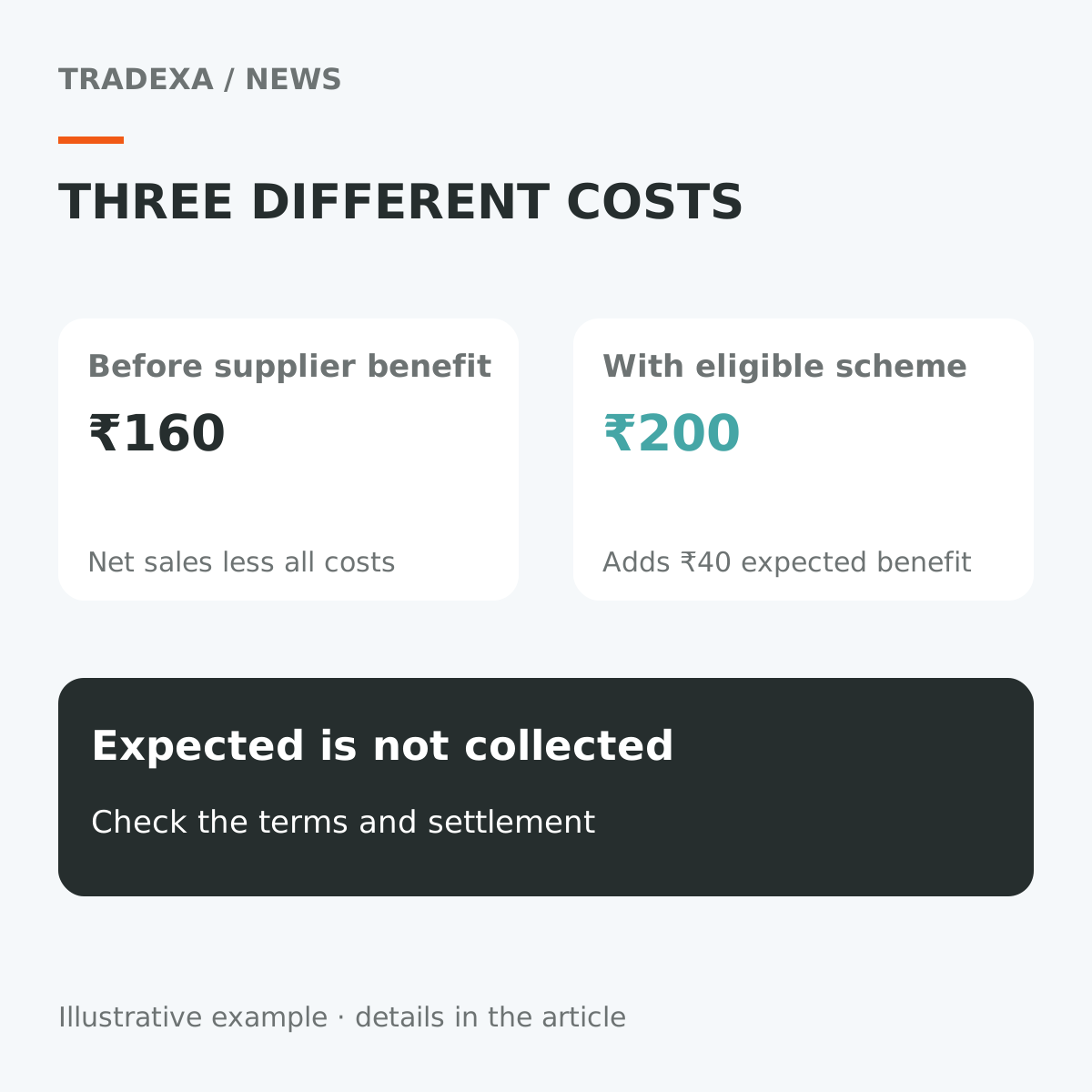
The ₹40 is an expected commercial benefit until the terms, qualifying quantity and settlement are confirmed. It is not money collected merely because the sale occurred.
Tradexa's supported pricing workflow can represent supplier-scheme benefits and expected credit-note amounts within its defined scope. That does not automatically submit a supplier claim, guarantee eligibility or make the credit note cash.
Returns and scheme periods may change the qualifying quantity. Keep the expected benefit distinct from what has been approved and received.
Where does the sales incentive fit?
Now assume a sponsored incentive of ₹20 per qualifying unit. It is a separate obligation, not another buyer discount and not part of the supplier's payment.
For this example, other selling and fulfilment costs are ₹70. Before the supplier benefit, contribution is ₹160 per unit: ₹900 − ₹650 − ₹20 − ₹70. If the ₹40 scheme is ultimately valid, it raises the scenario contribution to ₹200.
On 100 qualifying units, the expected difference is ₹4,000. That is enough to change the review, but not a reason to treat an uncertain scheme as settled income.
Tradexa supports sponsor-side incentive programs within the approved scope. Do not assume a participant-facing progress screen, automatic cash payout or payroll workflow.
What changes when the quantities grow?
At a steady 100 eligible units a month, the ₹20 incentive represents ₹24,000 a year. The ₹40 supplier benefit represents ₹48,000 if all 1,200 units qualify and the full benefit is settled.
Those are conditional cost and benefit lines—not guaranteed annual profit. A missed claim, return or changed scheme term can alter the result.
Keeping the lines separate makes growth easier to judge. Finance can see the obligation, purchasing can follow the supplier benefit, and sales can understand what price the business can support.
Before approving the next offer, write down the realised selling price, purchase cost, buyer discount already applied, expected supplier benefit and separate incentive obligation. Then decide which amounts are confirmed and which still need evidence.