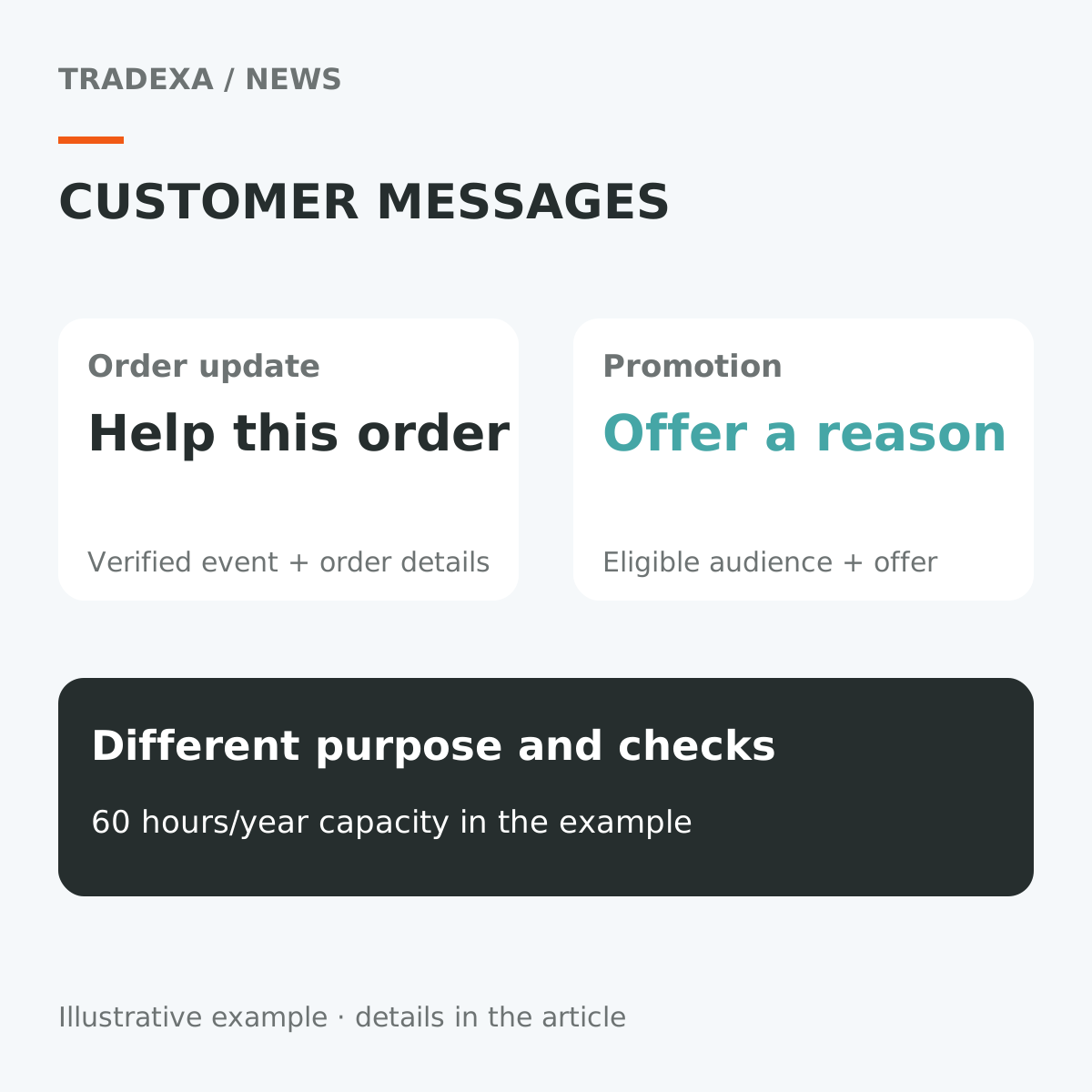
A customer waiting for a dispatch update and a customer considering a new offer need different messages. Sending both through the same contact list does not make them the same workflow.
An order update should help someone understand or complete a specific transaction. A promotion should give an eligible customer a relevant reason to consider another purchase. Separate the purposes before deciding the channel, trigger or success measure.
What does the customer need right now?
For an order message, the immediate job may be confirming payment, explaining dispatch or asking for information needed to complete delivery. Keep the transaction recognisable and the next action clear.
For a promotion, the job is different: the customer should understand what is offered, why it is relevant and what to do if interested. A broad “shop now” message may be easy to send but gives little reason to care.
Do not turn every service update into an offer. That can make a useful message harder to understand and introduces different platform-policy considerations.
What should trigger each message?
An order workflow should rely on the appropriate verified transaction event and customer record. Before enabling it, test the timing and the link between the message and the order.
A campaign needs an eligible audience, approved message where required, a schedule and a decision about frequency. Buying once is not blanket permission for every future promotion.
WhatsApp's business messaging policy sets requirements for permission, respecting opt-outs and approved templates in applicable messaging contexts. Check the current policy and your configured channel workflow before sending; a customer-data record alone does not establish eligibility.
What could a cleaner workflow change?
Imagine 800 orders a month, with 120 customers contacting the team because they cannot understand the dispatch status. Each enquiry takes six staff-minutes to investigate and answer: 12 staff-hours.
If clearer, correctly timed updates prevent 50 of those enquiries, five hours a month become available—60 a year at steady volume. The remaining 70 enquiries still need help. The example depends on the missing-information enquiries actually being prevented; a delivery delay does not disappear because a message was sent.
That gives the team more time for issues that require a person. It may also make customers feel less uncertain about an order, but this example does not prove a satisfaction or repeat-purchase increase.
Campaigns need different evidence: relevant responses, purchases and contribution after campaign costs, not simply the number of messages sent.
Keep the workflows connected without mixing their purposes
Tradexa's HyperMarketing supports configured customer campaigns and transactional workflows across WhatsApp, email, SMS and push in the supported scope. WhatsApp templates follow an approval workflow. Supported abandoned-cart recovery and the WhatsApp support desk are separate capabilities with their own setup.
Automation does not remove responsibility for eligibility, accurate events or human follow-up. Decide who reviews failed messages and who handles a customer reply.
Start with one transaction where customers repeatedly ask the same question. Make that update useful first. Then build promotions around a clear audience and offer. The business gains a calmer service workflow and a more deliberate way to create demand, rather than one larger stream of messages.
See the current WhatsApp business messaging policy when setting up that channel.