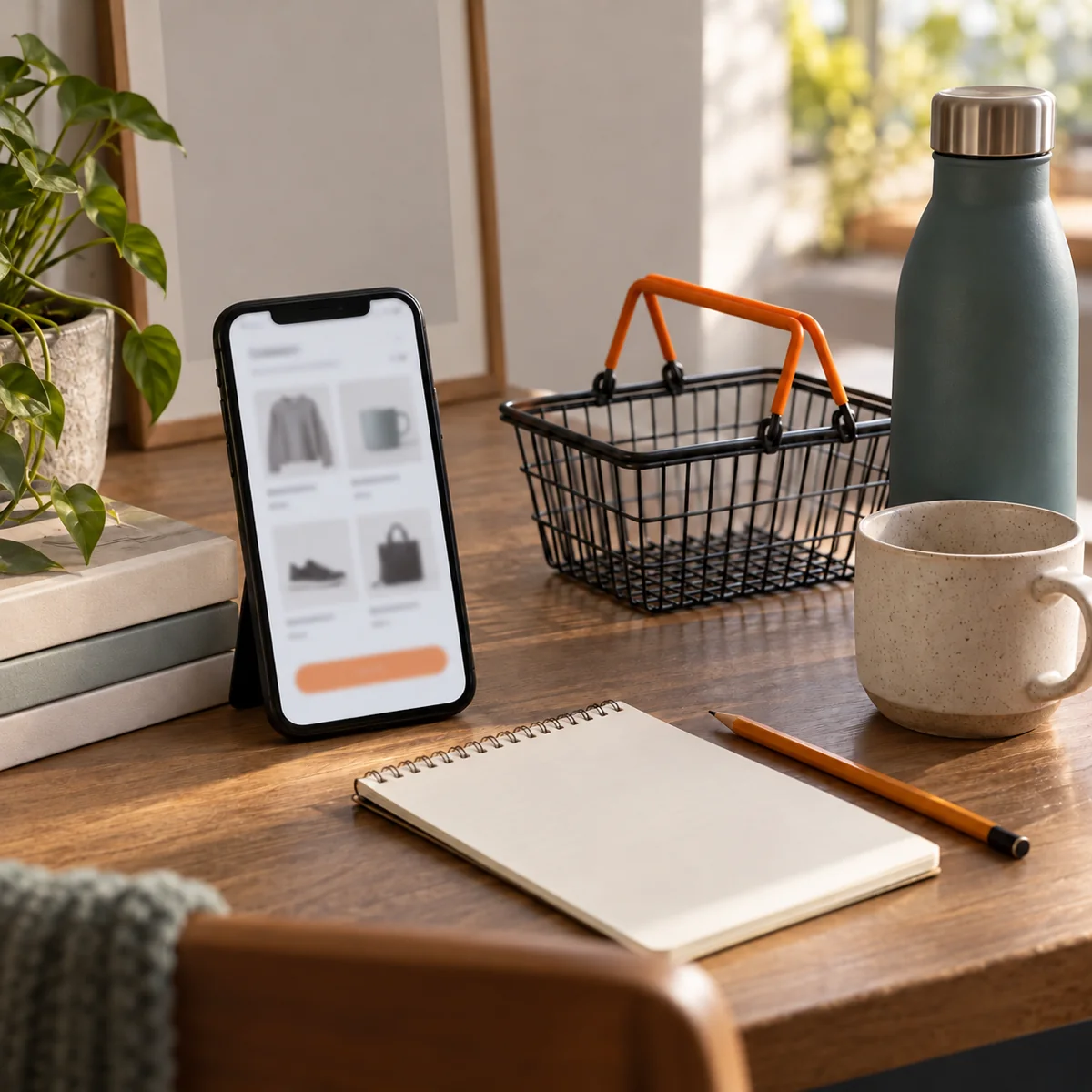
A shopper leaves a basket without buying. A discount might bring them back, but it will not fix a missing delivery option, an unavailable product or a payment problem.
Before adding an offer, test whether the follow-up reaches an eligible customer, opens the right basket and gives them useful help. Check the paid-order and opt-out cases as carefully as the unfinished checkout.
Make the reminder answer a possible question
Start with a small set of reasons the purchase might be unfinished: delivery cost or timing, stock availability, a payment issue or a decision that needs more information. These are hypotheses to investigate, not conclusions about every customer.
An illustrative first reminder could say: “Still deciding? Open your basket to check availability and delivery. Reply if you need help choosing.” Treat this as draft message copy to adapt and submit through the relevant approval process, not proof of an approved WhatsApp template.
The message gives the customer a next step and a way to ask for help. If a product is unavailable or the basket price has changed, the return journey must explain the current situation. A reminder should not promise the old price or stock without checking it.
Check contact permission and the message path
WhatsApp's current Business Messaging Policy requires the customer's contact information and opt-in permission, respect for opt-out requests, and approved templates for initiating conversations on the Business Platform. Follow the current policy and applicable requirements for your setup.
The policy's customer-service window is tied to messages from the user. A website visit or an unfinished basket is not a WhatsApp message opening that window. Do not assume an abandoned checkout gives permission to send unrestricted free-form messages.
Check email permission and preferences separately. Being eligible for one channel does not establish the customer's choice for another. Keep the permission source and the message path in your campaign record, rather than treating every phone number or email address as a send list.
Choose a sequence the team can explain
Tradexa's HyperMarketing supports configurable abandoned-cart follow-ups on WhatsApp and email. Set the messages and intervals for your supported workflow, then test the sequence with eligible contacts. After setup, those follow-ups can run automatically, reducing the need for staff to send each reminder by hand while giving the customer another opportunity to finish the purchase. The interval is a merchant choice, not a promise that one timing works for every category.
For a pilot, you might choose one initial reminder and a later follow-up only when the purchase is still unfinished and the contact remains eligible. Test that sequence before extending it. Do not prescribe a universal “best” delay or add repeated messages merely because more intervals are available.
Decide who handles replies and what happens when the customer asks about delivery, stock or payment. Automatic sending does not remove the need for a clear support handover.
Use a cart follow-up test record
Use authorised test contacts and the supported test environment. Record what actually happens for each case rather than assuming a stop rule exists because you want it.
- Basket reference, product and current availability: ______
- Contact channel, permission source and preference: ______
- Template/message purpose and approval status: ______
- Selected interval and next step in the message: ______
- Unfinished eligible basket: send and link result ______
- Order completed before the reminder: result ______
- Opted-out or ineligible contact: result ______
- Product unavailable or price changed: return-journey result ______
- Reply needing a person: owner and handover result ______
- Missing stop behaviour or other exception: ______
- Correction, owner and ready-or-retest decision: ______
The completed record should establish the actual send, link, suppression and reply behaviour for your configuration. If a purchase or opt-out does not stop a queued follow-up as expected, resolve that gap or agree a controlled handling process before expanding the pilot. This is a test requirement, not a claim that every stop rule is built into every workflow.
Price the offer before choosing it
Consider an illustrative ₹1,000 product with a proposed ₹100 discount. If five orders are completed at that price, the product sales amount is ₹4,500 rather than ₹5,000, a ₹500 concession before product, fulfilment and messaging costs.
That calculation describes the discount, not campaign profit. Some customers might have bought later without the message or offer. Track orders completed after follow-up separately from evidence that the campaign caused additional orders.
Review questions and checkout failures before making the concession permanent. A clearer delivery answer may solve a problem that a coupon merely makes more expensive. The right choice depends on your product economics and what the pilot actually shows.
Use the pilot to improve the purchase journey
Keep the unfinished-basket reason, support response and order outcome together. If several eligible customers ask the same delivery question, improve the information they see before checkout as well as the reply after it.
A configured follow-up can reduce manual chasing and surface purchase questions sooner. That attention can go into useful customer help, product information and delivery clarity, supporting more completed purchases where those are the real constraints. It is not a guaranteed recovery rate or a reason to message every contact.
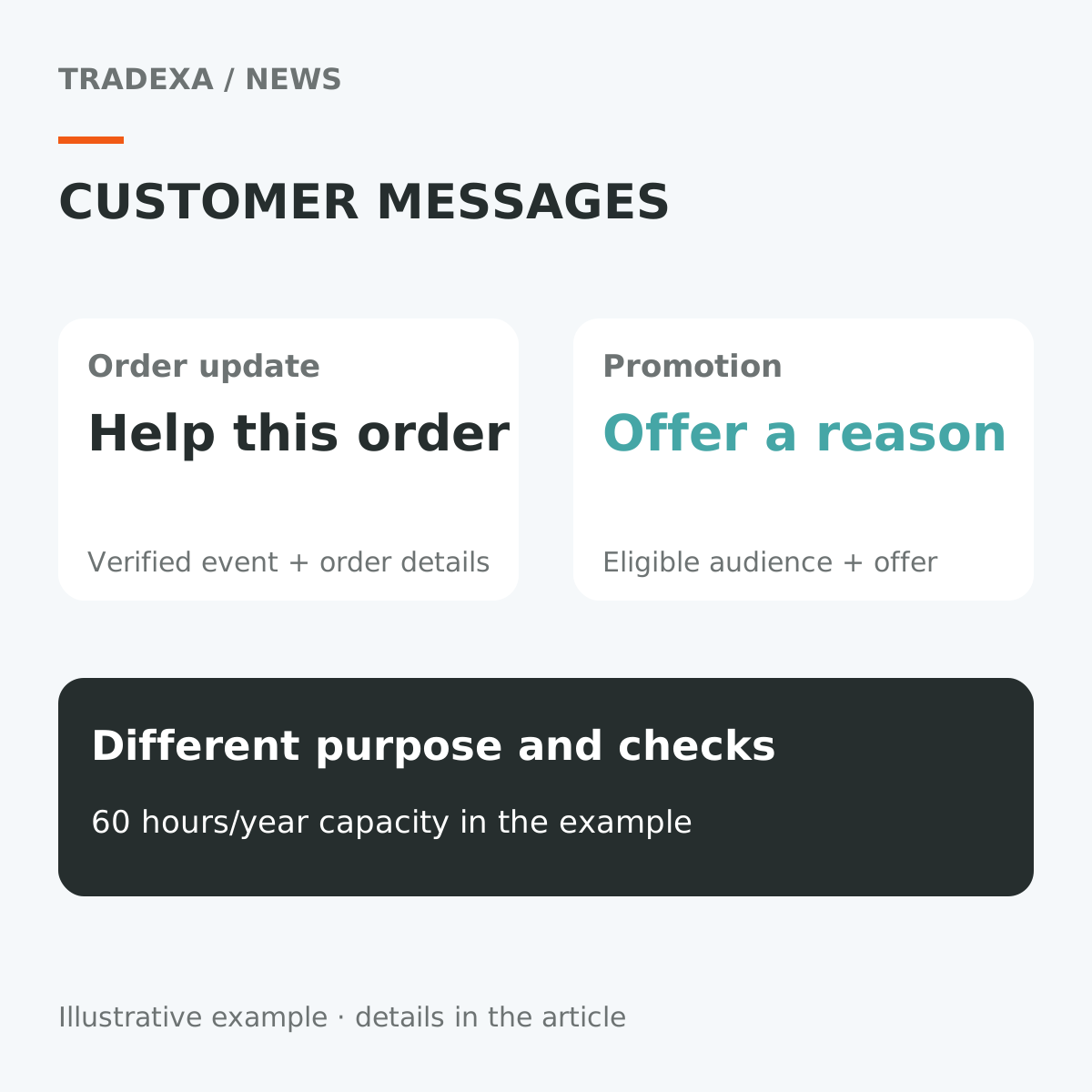
For the wider distinction between service updates and promotions, use the existing guide to different customer-message workflows. This test record owns the unfinished-basket sequence and its exceptions.
Example note: Message wording, sequence and discount amounts are illustrative, not measured customer results or approved templates. Use current platform rules, actual permissions, supported stop behaviour and your product costs.