“What is my price? Is this model available? Can you add six to my order?”
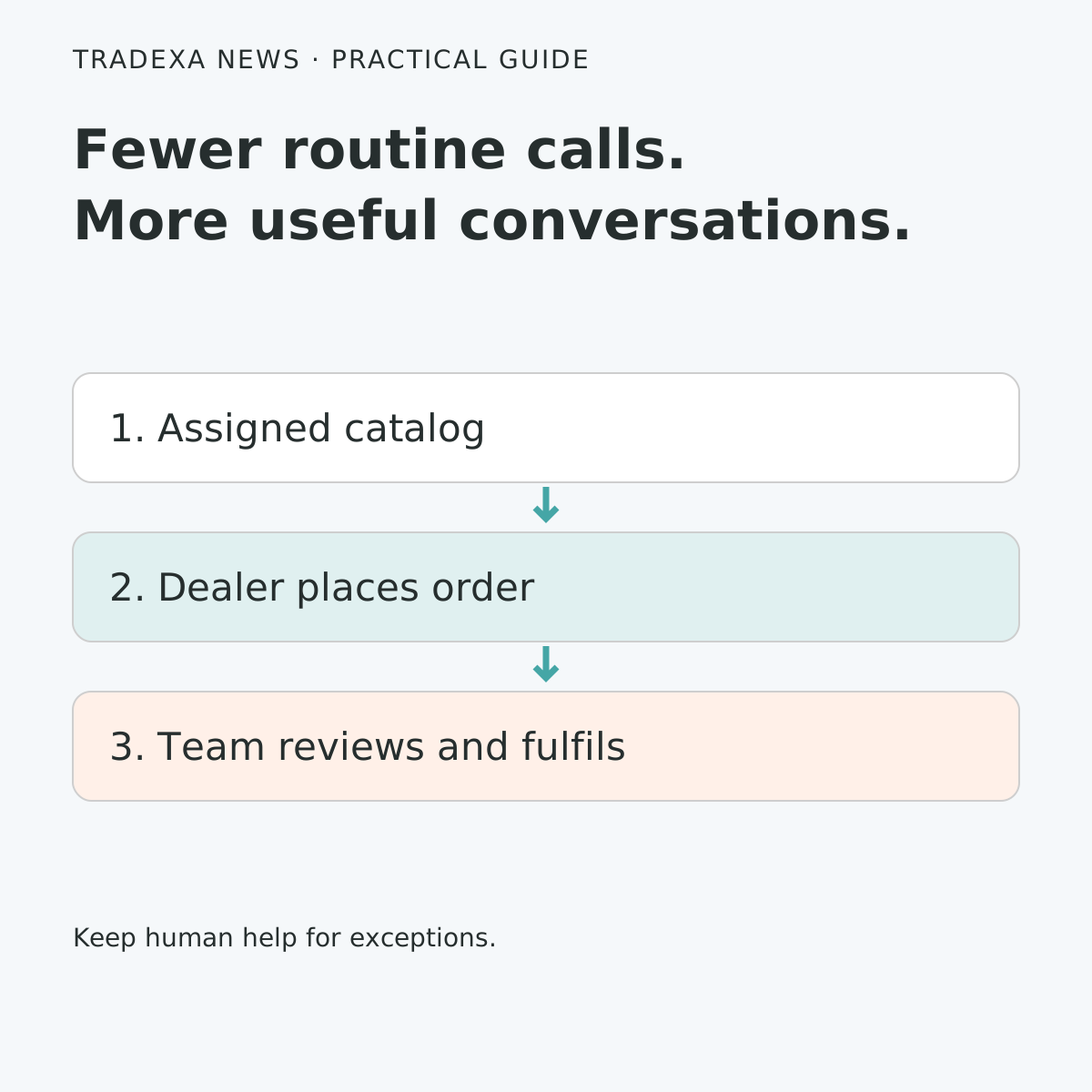
If those questions keep returning to your team, a dealer ordering portal can give the buyer a way to check their assigned catalog and prices, then place the order themselves. The starting point is making those answers dependable—not simply sending everyone a login.
Make the dealer’s first order easy to recognise
Choose a few dealers and the products they buy regularly. Check product names, pack quantities and variants against the words used on their purchase orders. A familiar item should not become a guessing exercise because the catalog uses an internal abbreviation.
HyperInventory supports dealer-specific catalog and pricing, buyer groups with different prices, payment terms and dealer self-service orders. Selected dealers can also see stock from chosen warehouses under the seller’s visibility configuration.
That connection matters: the dealer can work from assigned information while your operations team receives an order to process. The salesperson can spend the next call discussing the buyer’s requirements instead of transcribing the same item list.
Agree what the information means
A visible stock quantity and a delivery promise are different things. Explain which warehouse information is exposed, who confirms fulfilment and what happens when availability changes before the order is processed. Keep the promise within your actual setup.
Assign prices and payment terms before inviting the pilot group. Check one ordinary product and one genuine pricing exception. If a dealer expects a special rate that is not configured, fix that mismatch rather than asking them to ignore the portal’s price and phone the office anyway.
Credit controls need a separate check. HyperInventory supports configured credit-limit enforcement on admin orders and invoices, but do not assume that a dealer’s own portal order will be blocked in the same way. Confirm that path during implementation and agree who reviews credit before fulfilment. Self-service ordering is not permission to remove commercial controls.
Keep human help for the right questions
A dealer who needs help choosing a product still needs a person. Give the pilot group one contact for product or pricing queries, and tell them how an order change should be handled after submission.
Suppose 120 routine dealer orders a month currently take five minutes each to transcribe. That is ten hours a month, or 120 hours a year. If dealers enter those item lists themselves, the team may recover some of that capacity; review, exceptions and relationship work remain.
Use the pilot to observe what actually changes. Fewer copying tasks could create room for a salesperson to follow up a new range or an inactive account. A lower call count alone is not success if buyers are abandoning orders because they cannot get help.
Give each pilot dealer an acceptance record
- Dealer and assigned buyer group: record who tested and which prices should apply.
- Familiar product: expected variant, pack quantity and price; record what the dealer saw.
- Stock information: warehouse exposed, what the quantity means and who confirms delivery.
- Submitted order: reference, expected item list and the receiving operations owner.
- Commercial review: payment terms, credit check responsibility and any unresolved exception.
- Help request: the question raised, who responded and whether the dealer could continue.
- Next decision: invite more dealers, correct and retry, or keep this workflow assisted for now.
Expand when the pilot dealers can recognise their products, trust their assigned information and complete an order with an understood next step. For a different decision—whether independent companies should use Direct Fulfilment or company branches—read the network-model guide.
Example note: The transcription workload is illustrative, not a measured customer saving. Use your own order counts and observed times to estimate capacity.