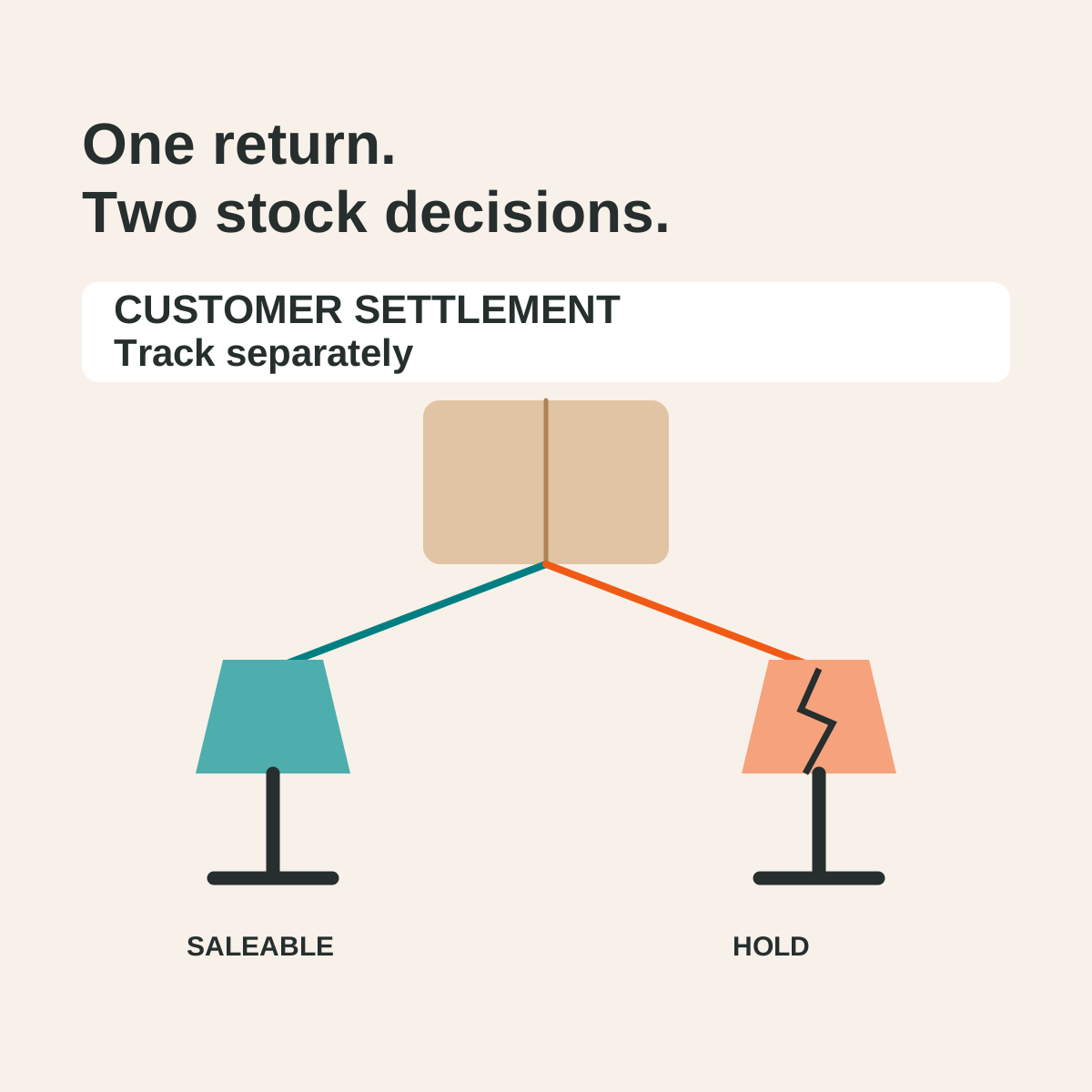
Packing receives a tote with ten lamps. The order asks for twelve. Is the other carton coming, has someone approved a partial shipment, or has the picker simply moved to the next task?
A pick list helps identify the work. The handover must also make the result clear: what was requested, what was actually picked, what remains unresolved and who decides the next action. Ten goods on a bench are not evidence that a twelve-unit order is ready to leave.
Keep requested, picked and unresolved quantities separate
Use the order and line reference, not a description copied into an unrelated note. Confirm the brand, variant, unit and relevant batch or serial requirement before counting the picked goods. A similar item from another represented brand is not an automatic substitute.
In an illustrative order, twelve individual white lamps are requested and ten matching lamps are picked. Two remain unresolved. That difference belongs to the order line until an authorised person decides whether to locate more stock, reallocate the pick, agree a supported partial fulfilment or hold the order.
Do not turn a short pick into a stock adjustment merely to make a screen agree with the tote. First investigate the physical location, reservations, recent movements and the actual item. Use the separate stock-count difference guide when the quantity itself needs investigation.
Let the location guide the picker
HyperInventory supports pick lists and the connected bin-and-rack workflow. Where bin tracking is enabled, staff can see product-and-batch positions, reserved and available quantities, guided picks and supported short-pick re-allocation. Reservations help avoid assigning the same units to two pickers.
That connects an order's warehouse task with where the goods are held. It can reduce repeated “which shelf?” conversations, but it does not decide every commercial exception. Bin suggestions are not a universal shipping block: the supported workflow can allow shipment without bin confirmation. Your operating procedure must still define who releases an incomplete order.
Location identification and batch choice are separate jobs. For FIFO or FEFO configuration, use the batch-picking guide. Here the decision is what happens after the pick has produced a shortage.
Give the shortage one owner and one next event
For the two missing lamps, the supervisor might check another eligible location and use the supported re-allocation path. If the quantity is still unavailable, operations needs to agree the customer-facing decision through the actual order and shipment workflow.
Record that decision where packing can see it. “Sales knows” is not a complete handover. Include the responsible person and the event that releases the hold: the remaining goods arrive, a permitted partial shipment is accepted, or the order is corrected through its authorised process.
Keep picked goods identified while the question is open. Mixing them into an unlabelled shared pile makes the next checker reconstruct both the item and the order. Follow the warehouse's established staging and handling procedure; a paper record alone does not reserve physical space or enforce system status.
Copy a pick-to-pack handover record
Use this beside the supported pick record. Fill it with actual order references and observed quantities, then reconcile it before release.
- Order, line, warehouse and pick reference: ______
- Brand, product, variant and unit: ______
- Required batch/serial checks, where applicable: ______
- Requested quantity: ______; picked quantity: ______
- Unresolved quantity and reason known or still under investigation: ______
- Picked goods' identified staging position: ______
- Supervisor or operations owner: ______
- Approved next action and customer agreement, if needed: ______
- Packing may proceed / hold; release condition: ______
- Final verified goods and supported shipment reference: ______
For twelve requested and ten picked, the unresolved quantity is two. If two matching goods are later picked, the final checked quantity becomes twelve. If a supported partial fulfilment is agreed, record the ten leaving and the remaining two through that workflow; do not mark all twelve complete because packing has sealed a carton.
Use the clearer handover to handle more work
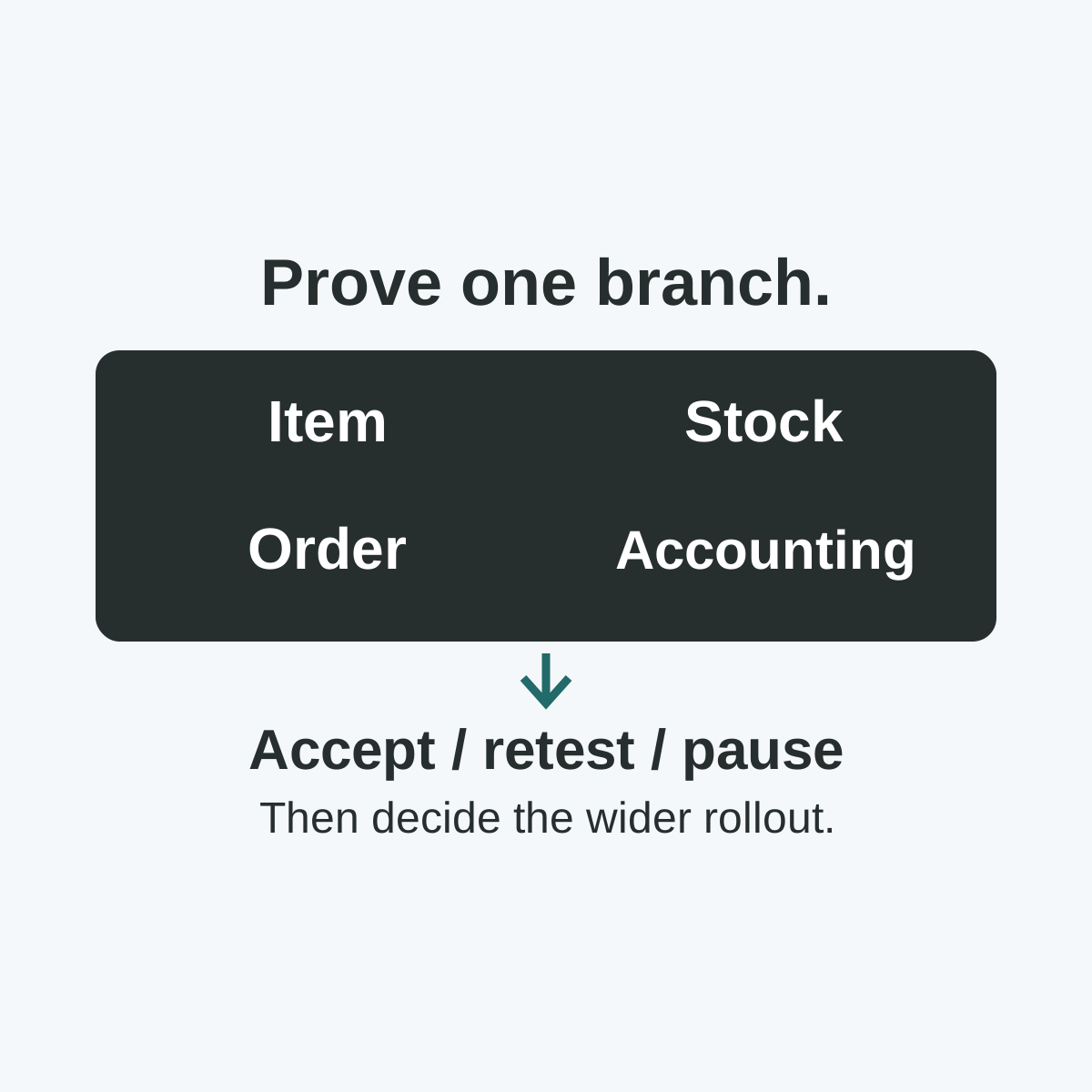
Tradexa's HyperInventory links order, stock and warehouse work so the next person has a defined item and task to check. Bin locations and pick reservations help establish where to act; the exception record gives the team a practical way to own what the software and physical count have not yet resolved.
Fewer repeated searches can leave more warehouse attention for packing accurate orders and receiving replenishment. That supports extra order handling only when the relevant stock, staff and dispatch capacity are available. A clearer handover is not a delivery-time guarantee or a substitute for checking the goods.
Pilot this on a small set of orders with genuine exceptions. Count repeated clarification trips and incomplete handovers, then change the step that creates them. The useful improvement is that packing knows what it can do next.
Example note: The twelve-requested, ten-picked case illustrates a quantity handover, not a measured customer outcome or a universal partial-shipment feature.